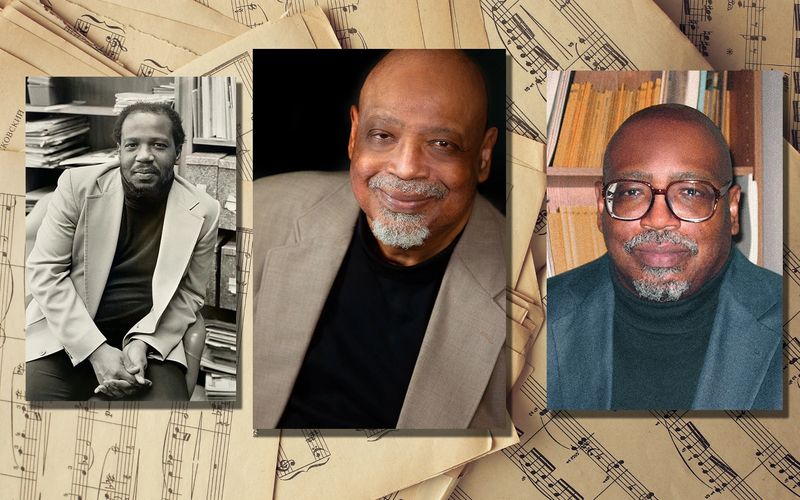
Overjoyed to share my new music with you!
RHYTHM OF THE SPIRIT VOL. 1 from Earl Louis Stewart makes a bold statement: that America’s music, born of sorrow, improvisation, resistance, and joy, belongs within the same canon as Bach or Palestrina. Stewart’s fugues, canons, counterfugues, and retrogrades are written with the strictness of Europe’s 16th and 18th century conventions, yet pulse with the syncopation and soul of ragtime, blues, and jazz. The album features three sonatas, No. 2, with its dusky blues fugue and vibraphone ballad; No. 5, which develops ragtime counterfugues, retrogrades, and canons; and No. 12, where a true blues fugue reconciles the 12-bar form with the classical sonata.
streaming on all major platforms






Explore the Artistic Journey of Earl Louis Stewart
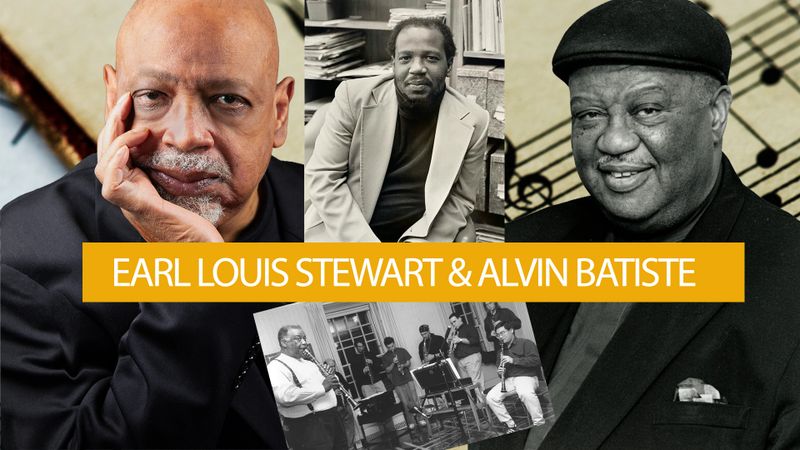
Alvin Batiste was more than a legendary jazz clarinetist, composer, and educator. He was also a mentor and dear friend to composer Earl Louis Stewart. Their shared commitment to musical innovation, spiritual depth, and the preservation of Black American musical traditions created a bond that extended beyond technique into philosophy and purpose.
African-American Music provides an introduction to all the richness and diversity of African-American musical styles, focusing on the distinct characteristics and development of each genre and its inherent styles including: spirituals, blues, gospel, ragtime, jazz, pop, and classical music.
Across more than forty published compositions, Earl Louis Stewart has developed a singular musical voice that bridges European polyphonic tradition with the rhythmic and emotional language of jazz, blues, ragtime, and African American musical expression. His works range from symphonies and chamber music to fugues, sonatas, canons, and large-scale interdisciplinary compositions, all unified by a lifelong commitment to counterpoint, cultural memory, and musical innovation.
REVIEWS OF RhYThm OF THE SPIRIT VOL.1
(Navona Records, 2025)
Reading the biography of the African American musician Earl Louis Stewart (b. 1950), one comes across the following description: a composer of “intellectual jazz.” This is an expression that might cause jazz musicians and enthusiasts to raise an eyebrow. But, upon learning more about the composer — and above all by listening to his music — one understands that it is a perfect description of his artistic vision, free from any attempt at appropriation or supposed cultural elevation.
Stewart has collaborated with major names in jazz — among them Cannonball Adderley and Kent Jordan — and has directed several jazz ensembles. Rather, as a great lover both of classical polyphony and of African American musical traditions, he has attempted — successfully — to synthesize these two worlds, producing a substantial catalog of works in which the contrapuntal artistry of Johann Sebastian Bach and Giovanni Pierluigi da Palestrina merges with the harmonies and rhythms of jazz, ragtime, and blues.
The three sonatas recorded here — Rhythm Sonatas Nos. 2, 5, and 12 — are a perfect example of this synthesis. Each is structured in suite form, with individual movements developing fugues, counter-fugues, canons, and retrograde motion infused with swing and syncopated rhythms. Even the instrumentation — featuring harpsichord, cello, vibraphone, and drums — reflects this duality of musical and cultural dimensions, producing sounds that are both original and captivating.
The result — thanks also to the masterful interpretation of the musicians involved, capable of combining careful attention to formal detail with a vibrant, groove-rich sound — is unquestionably successful and engaging. Some movements perhaps tend to resemble one another, but the listener’s attention is always sustained and curiosity continually stimulated.
I recommend this CD both to jazz enthusiasts and to lovers of the classical tradition.

A compelling collection of vocal pieces steeped in lyrical richness, exploring themes of introspection and connection through music.A striking compilation of vocal compositions imbued with lyrical depth, delving into the essence of self-reflection and community through the art of music. RHYTHM OF THE SPIRIT VOL. 1 from Earl Louis Stewart asserts that America’s musical heritage — rooted in heartache, creativity, resilience, and exuberance — deserves to be celebrated alongside the works of Bach or Palestrina. Stewart’s fugues, canons, counterfugues, and retrogrades are crafted with the rigor of 16th and 18th century European traditions, yet vibrate with the rhythmic pulse and heartfelt expression of ragtime, blues, and jazz.
Rhythm of the spirit vol1
This mesmerizing composition for a small ensemble masterfully captures the delicate nuances of musicians and composer in dialogue, drawing you into a cinematic symphony of sound that unfolds like a spellbinding exchange on screen, A sonic delight.
- Alisa Banks, Filmmaker

Discover an enchanting array of stories expressed through sound, revealing the profound connection between music and emotion. This is a journey you won't want to miss.
- Marcus Eley - Virtuoso Clarinet Artist

“Jazz/blues/classical syncopation following European fugues, canons and counterfugues.”
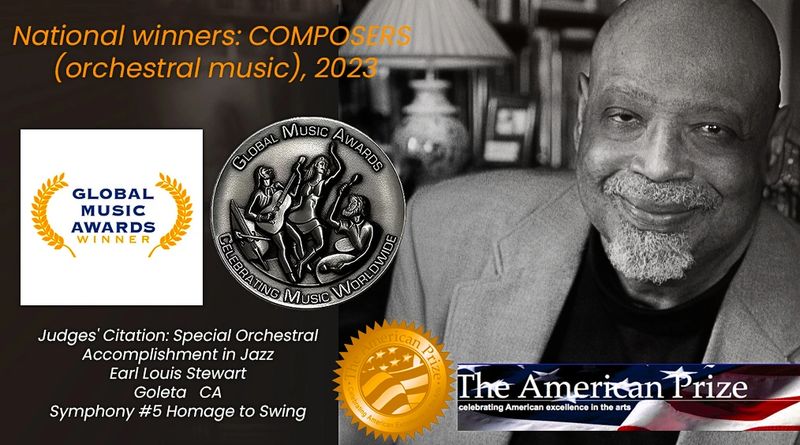
Critical Acclaim & Recognition

Earl Louis Stewart, Symphony #2 in E Minor (Identity 54), composition

Judges' Citation:
Special Orchestral
Accomplishment in
Jazz
Earl Louis Stewart
Goleta CA
Symphony #5 Homage to Swing
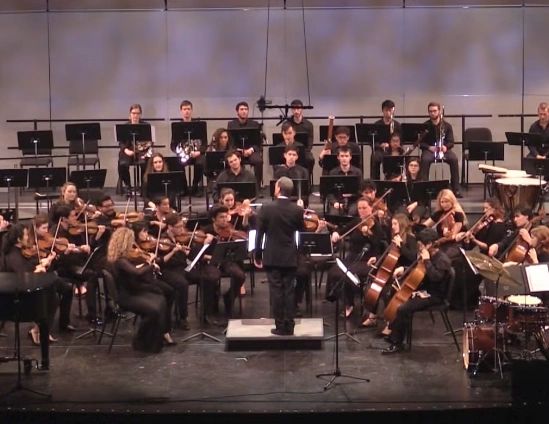
The premiere of composer Earl Louis Stewart's "Homage to Swing" at UCLA's Herb Alpert School of Music's Schoenberg Auditorium, Feb. 5, 2017, as part of the "Swinging to a World of Strings" concert with Maestro Neal Stulberg conducting.
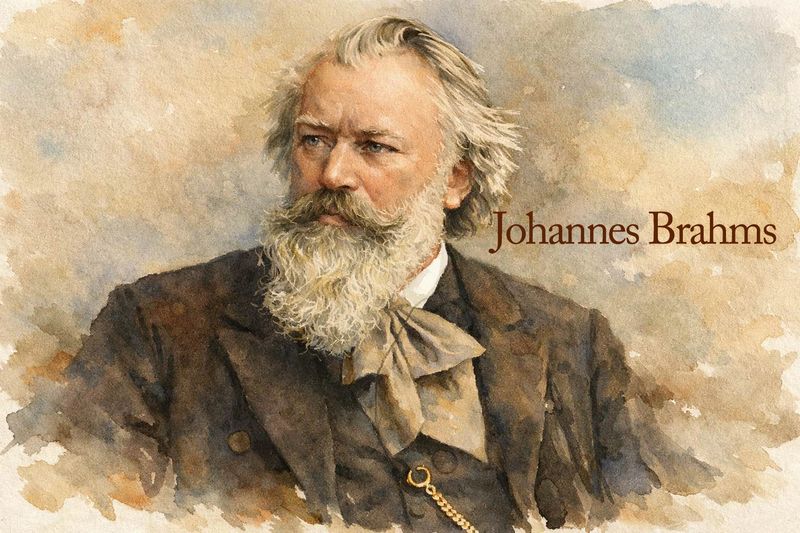
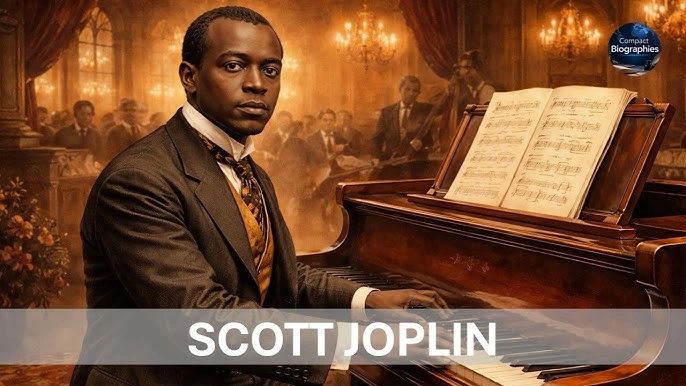
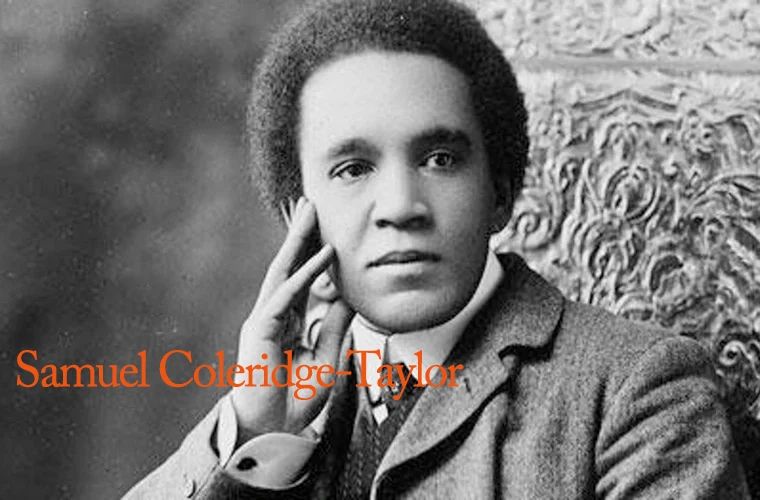
MY MUSICAL INFLUENCES When asked which musical mentors have had the greatest influence on him, Earl Stewart points to a constellation of masters across jazz, classical, and Black compositional traditions. “My greatest jazz mentor was Alvin Batiste. The classical master who has influenced me most profoundly is Johannes Brahms. And among Black composers, my deepest influences are Scott Joplin and Samuel Coleridge-Taylor.”EARL LOUIS STEWART
Without craftsmanship, inspiration is a mere reed shaken in the wind.Johannes brahms
"What you are to be, you're now becoming"Alvin batiste
One day the 'Maple Leaf' will make me King of Ragtime Composers.SCOTT JOPLIN
MY MUSICAL INFLUENCES When asked which musical mentors have had the greatest influence on him, Earl Stewart points to a constellation of masters across jazz, classical, and Black compositional traditions. “My greatest jazz mentor was Alvin Batiste. The classical master who has influenced me most profoundly is Johannes Brahms. And among Black composers, my deepest influences are Scott Joplin and Samuel Coleridge-Taylor.”Earl Louis Stewart
"Should it not rather come from the heart as well as the brain?"Samuel Coleridge-Taylor
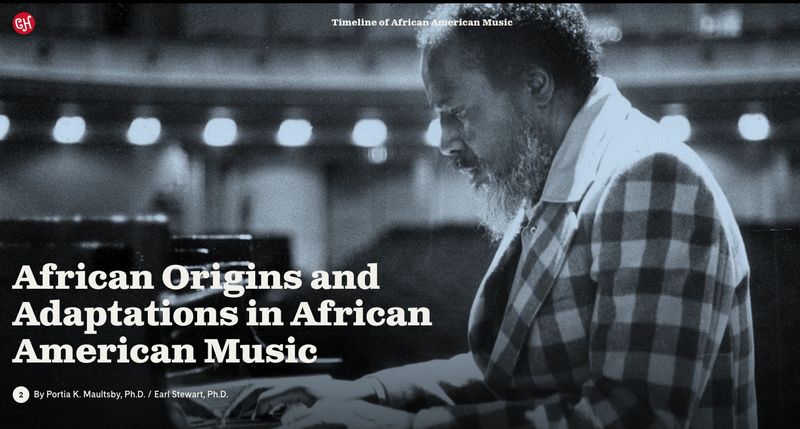
African Origins and Adaptations in African American Music By Earl LoUIS Stewart, Ph.D. /Portia K. Maultsby, Ph.D.
“In Africa, music is central to all aspects of social life in multifarious ways. From lullabies to life-cycle events; from storytelling and games to social criticism; from agricultural pursuits, fishing, hunting, to kingship; from harvest to annual festivals, musical performances express a wide range of emotions, embodied experience, and social values.”
Kwasi AmpenePerformer & Ethnomusicologist
The Old Plantation: Slave Dance and Music, ca. 1785–1795
Watercolor on paper, attributed to John Rose, Beaufort County, SC.

Through the Years'Through every season of my life, music has been a steady companion, shaping, teaching, and grounding me. It has grown as I’ve grown, evolving alongside my experiences, my faith, and the people I love.'