The Creative Legacy of Earl Louis Stewart
Earl Louis Stewart: Celebrating Musical Masterpieces and Literary Inspirations
At the intersection of music, literature, and academia lies the extraordinary journey of Earl Louis Stewart. Each note he composes and every word he pens carries with it the nuance of deep reflection and profound creativity. Earl’s work is a testament to the intimate relationship between sound and story, inviting you to indulge in the beauty of his artistic expressions that are both personal and universal.
Our mission is to unveil the depth of Earl's creative legacy—an intricate tapestry woven from years of dedication, artistry, and scholarly pursuit. Within this space, as you explore his musical compositions and literary contributions, we hope you'll find moments that resonate, inspire, and enrich your understanding of his profound insights. We cherish the opportunity to share this journey with you, allowing you to savor the artistry that is uniquely Earl Louis Stewart.
The Heartfelt Journey of Earl Louis Stewart: Composer, Author, and Scholar
Born in Baton Rouge, Louisiana, in 1950. His musical studies began with the piano at age six. By his twelfth birthday, he had learned to play the trumpet, winning him numerous honors. During his teenage years and early twenties, his trumpet prowess and musical acumen blended harmoniously, qualifying him to write musical arrangements and assimilate into pick-up bands with touring performers, such as Percy Sledge, Sly Johnson, Garland Green and King Floyd.
He received his Bachelor of Science degree (BS) in Secondary Education from Southern University, Baton Rouge, studying under Walter Craig and the late jazz great Alvin Batiste at the Jazz Institute. He then received his Master of Music degree (MM) and Doctorate of Musical Arts degree (DMA) in Composition from The University of Texas at Austin, studying with such luminaries as ethnomusicologist Gerard Behague, composers Karl Korte and Joseph Schwantner, and world-renowned orchestrator and author of Counterpoint (the late) Kent Kennan.
RIVERS, ROADS & MEMORY

From the Mississippi Delta to New Orleans, the geography of rhythm, memory, and musical innovation.
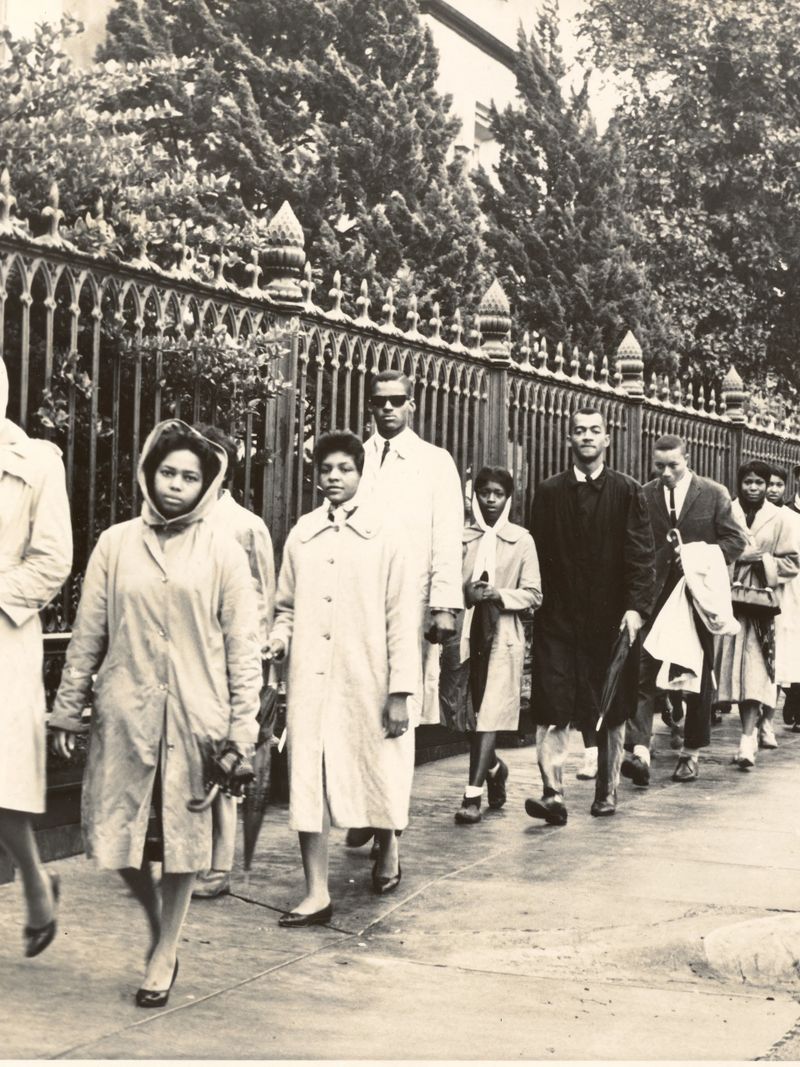
The Civil Rights era and the evolving discourse surrounding Black identity, culture, and artistic expression.
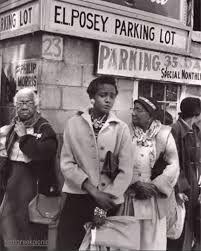
Archival imagery reflecting the daily realities, resilience, and quiet dignity of African-American communities during the Civil Rights era.

The Baton Rouge Bridge spanning the Mississippi River — a symbolic passage through the cultural, historical, and musical landscapes of the American South.
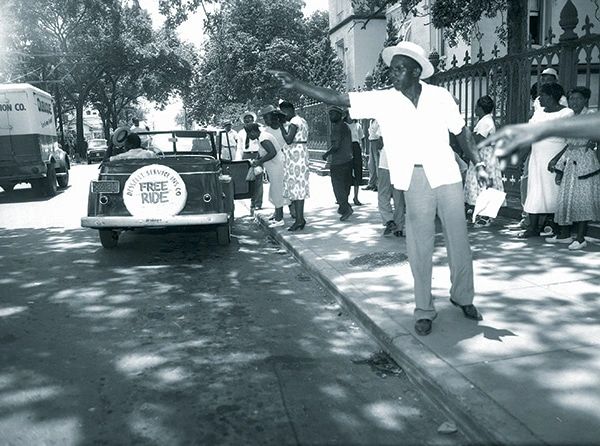
Archival imagery from the 1953 Baton Rouge Bus Boycott, a pivotal moment in the Civil Rights Movement and the broader struggle for dignity, equality, and social justice in America.

The modern skyline of Baton Rouge overlooking the Mississippi River, a region deeply connected to the evolution of African-American music and culture.
Baton Rouge, Louisiana
1950-Present
Baton Rouge, Louisiana
1950-Present
Baton Rouge in the 1950s, Earl Louis Stewart came of age in a city shaped by contradiction rich in culture, yet constrained by segregation; alive with music, yet marked by inequity.
The Baton Rouge of that era was defined by limits imposed from the outside, but inside homes, churches, and community spaces, something enduring took root. Music was not a luxury, it was language, refuge, and resistance.
Today, Baton Rouge has changed. Progress is visible, opportunities broader, voices louder. And yet, disparities and inequities persist, echoing the past in new forms.
Through every era, music has remained a stable and fertile ground, a place where imagination is free, where lineage is honored, and where spirit abides.
Literature, Composition, and the Architecture of Spirit
Alvin Batiste was more than a legendary jazz clarinetist, composer, and educator. He was also a mentor and dear friend to composer Earl Louis Stewart. Their shared commitment to musical innovation, spiritual depth, and the preservation of Black American musical traditions created a bond that extended beyond technique into philosophy and purpose.
Batiste, celebrated for shaping generations of jazz artists through his teaching and visionary artistry, deeply influenced Stewart’s approach to composition by blending rigorous classical structures with the soul, improvisation, and rhythmic language of jazz and blues.
This music stands in conversation with that lineage, honoring tradition while fearlessly expanding it.
Discover a curated selection of Earl Louis Stewart's original compositions that blend diverse genres, offering a captivating listening experience.
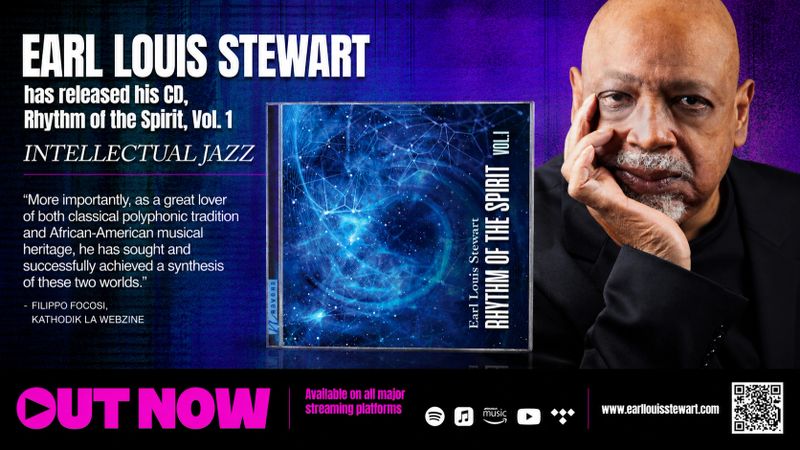
Step into the world of Rhythm of the Spirit Vol. 1, the powerful new release from acclaimed composer Earl Louis Stewart. Blending the sophistication of European classical form with the soul, syncopation, and emotional depth of jazz and blues traditions, Stewart creates a sound that is both intellectually rich and deeply human. Featuring intricate fugues, canons, and lyrical contemporary compositions, this extraordinary collection invites listeners into a musical experience that transcends genre and tradition.
Beyond his work as a composer, Earl Louis Stewart has built a distinguished body of scholarly and literary work exploring African-American music, Black aesthetics, rhythm, identity, and cultural expression. His writings span musicology, philosophy, cultural studies, and Pan-African thought, with published articles and essays appearing in academic journals, encyclopedias, and international publications throughout the United States and West Africa. Through both scholarship and composition, Stewart’s work reflects a lifelong commitment to examining the intellectual, historical, and artistic foundations of Black musical traditions.